
Plunkett UK Chief Executive, James Alcock, reflects on this week’s debate about the countryside, and why rural communities should have the power and support to shape the places they live.
I’ve been following with interest the debate about rural Britain coming out of this week’s Labour Party Conference.
Comments from Defra Minister Jenny Riddell-Carpenter – and the response from Conservative Party Chairman Kevin Hollinrake – have raised questions about how we see the countryside, and what we want its future to look like.
At the centre of it all is something very familiar to us at Plunkett: the rural pub.
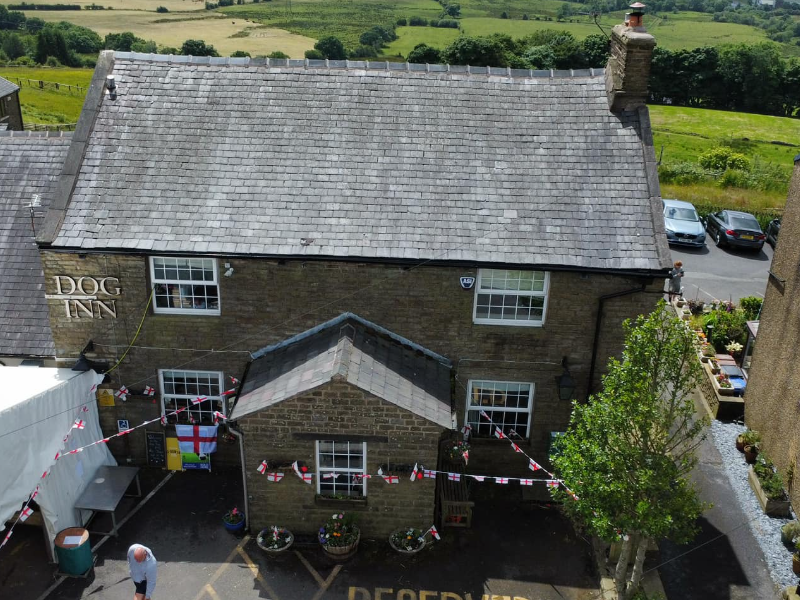
The Dog Inn, Belthorn in Lancashire
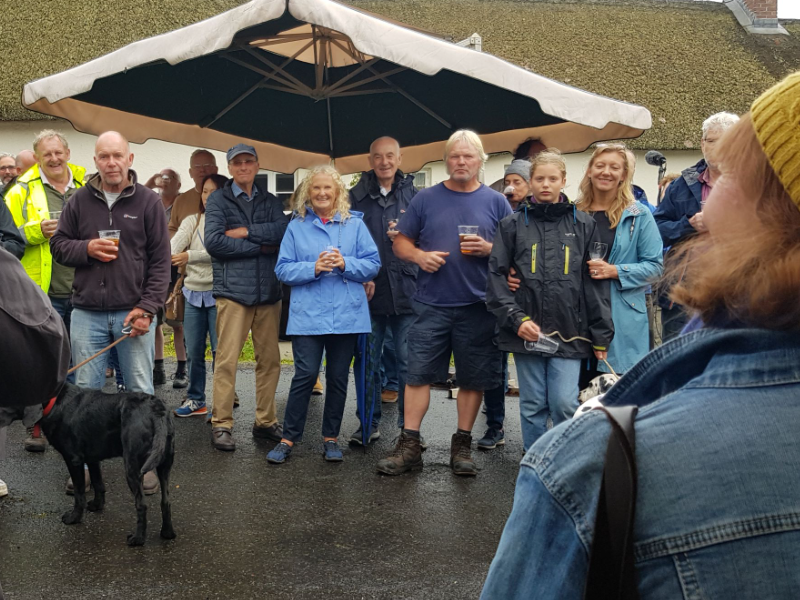
Villagers in Drewsteignton in Devon who came together to save and run their local, The Drewe Arms
As Chief Executive of an apolitical charity working with rural communities across the UK, I’m not interested in taking sides over who has the right vision of the countryside.
What matters is what the people who live and work in rural communities want for the places they call home. Notions of a rural idyll can mask very real challenges, including rural poverty and hidden deprivation, declining services, isolation and limited access to opportunities.
Our vision is for thriving, inclusive and resilient rural communities, where people have the opportunity and support to shape the places they live. These places welcome everyone, regardless of background, and give them in a stake in the towns and villages that they call home.
As the only organisation dedicated to supporting rural community-owned businesses across the UK, we see every day what can happen when local people are given the right support and the power to shape their own future.
Community-owned pubs show what that can look like.
They bring people together, create jobs and volunteering opportunities and support local suppliers. They can help tackle loneliness and social isolation and, where other rural services have disappeared, become an important hub for the community.
There is no single model. A community pub might also provide a café, shop, Post Office, events or other services according to local need. That ability to adapt is why any conversation about the future of the countryside needs to begin with rural communities themselves.
At Plunkett, we want community ownership to create better business for people, the economy and the local environment. But communities cannot do everything on their own.
Rural hospitality businesses face rising costs and taxation. We are calling for a fiscal framework that recognises the wider value community-owned businesses create, including appropriate relief across business rates, National Insurance and VAT.
Communities also need access to funding and specialist support when opportunities to take ownership arise.
This isn’t about preserving pubs for sentimental reasons. It is about recognising their potential to provide jobs, services and places for people to connect – and giving rural communities the power to determine what they need.
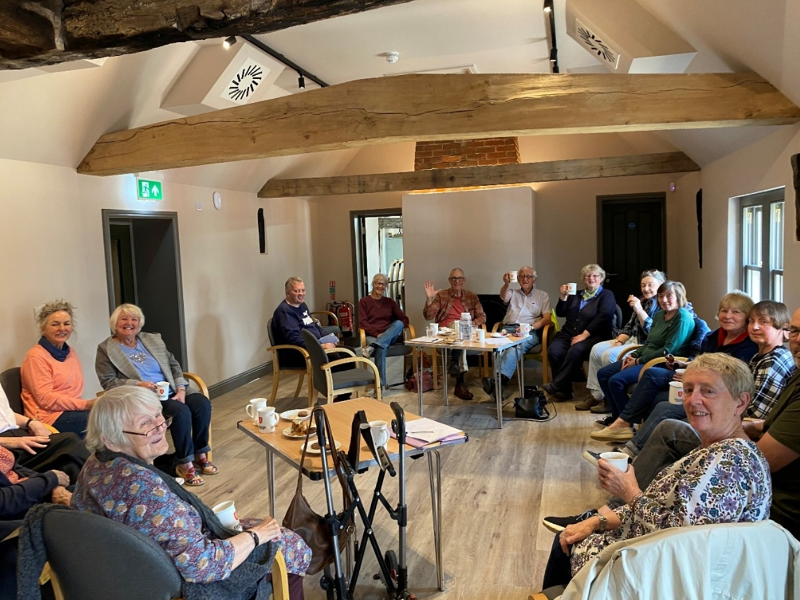
More than a pub: an activity room at The George, Wickham Market in Suffolk
So, amid this week’s debate, I’d extend the same invitation to Jenny Riddell-Carpenter and Kevin Hollinrake: come and visit a community-owned pub in your constituency with us.
Meet the people who have invested their time, money and energy in keeping an important local business alive.
Hear what their pub means to their community, the challenges they face and what they need from government to thrive.
There are many different experiences of rural life. The people best placed to tell us what rural communities need are the people who live in them.
Our role at Plunkett is to listen, support and help make those voices heard.