
Advocacy
Advocacy
Plunkett UK works in rural areas that are often underfunded and at risk of economic and social decline.
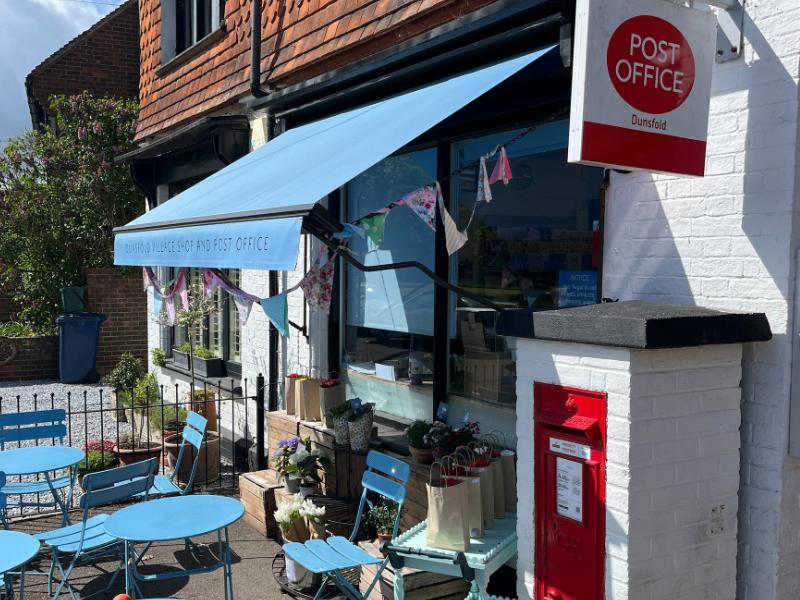
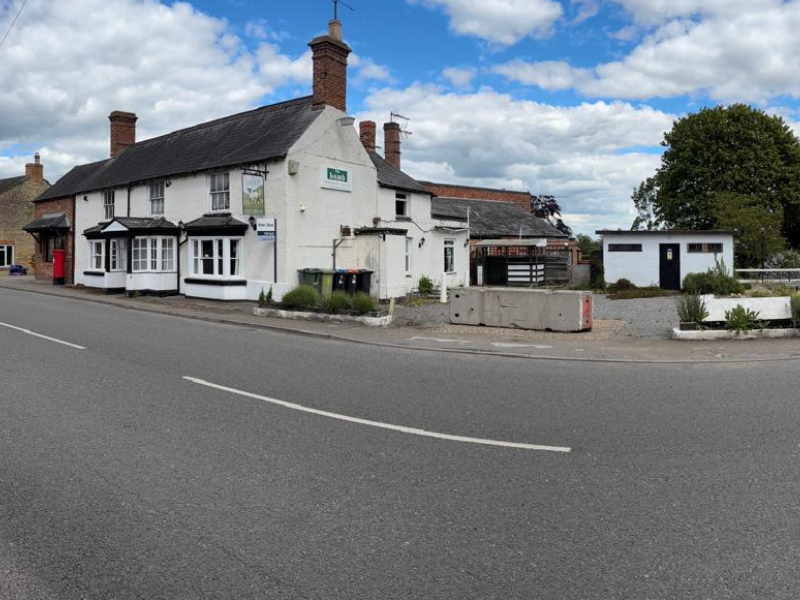
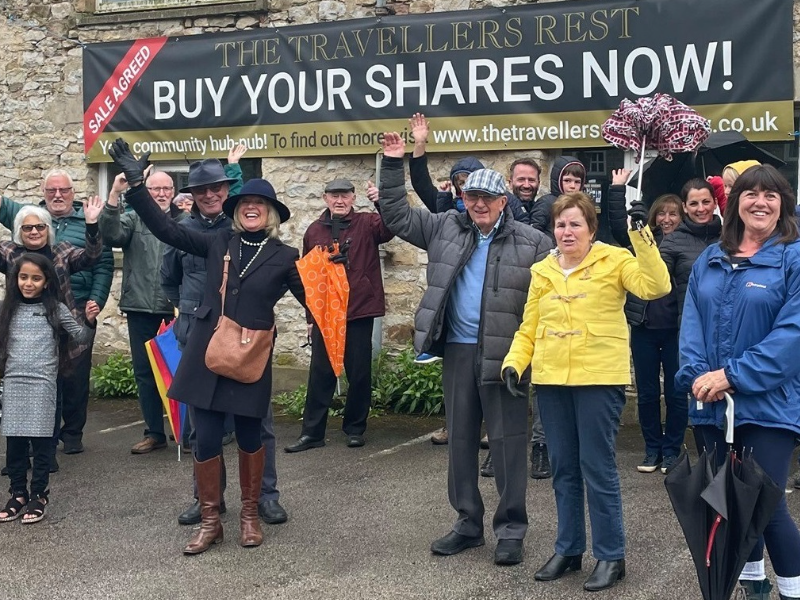
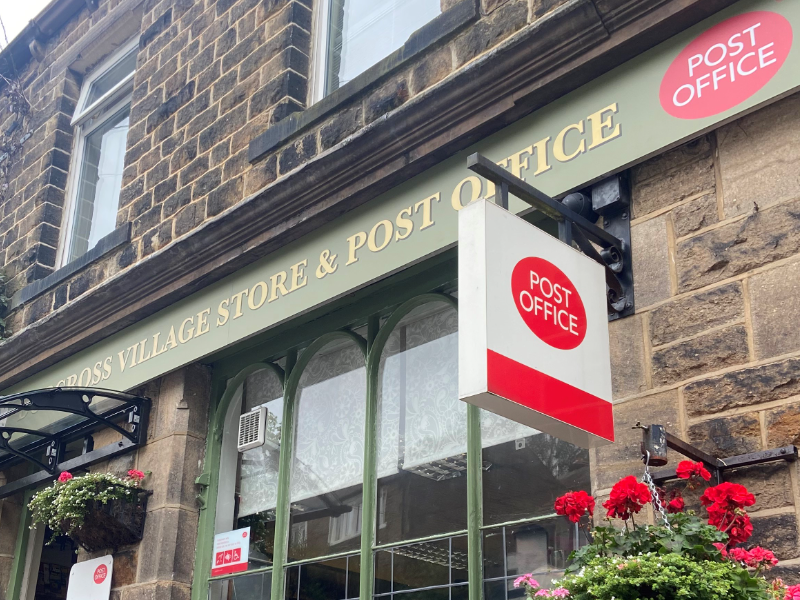
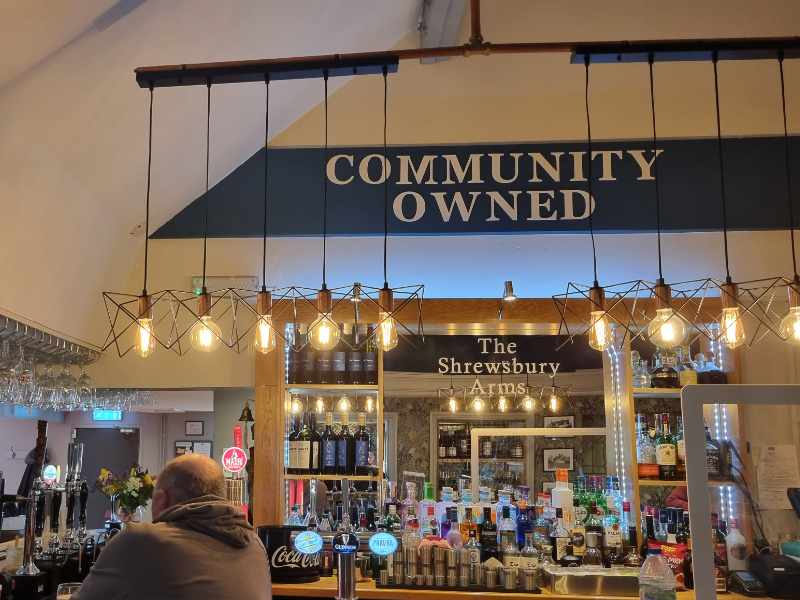
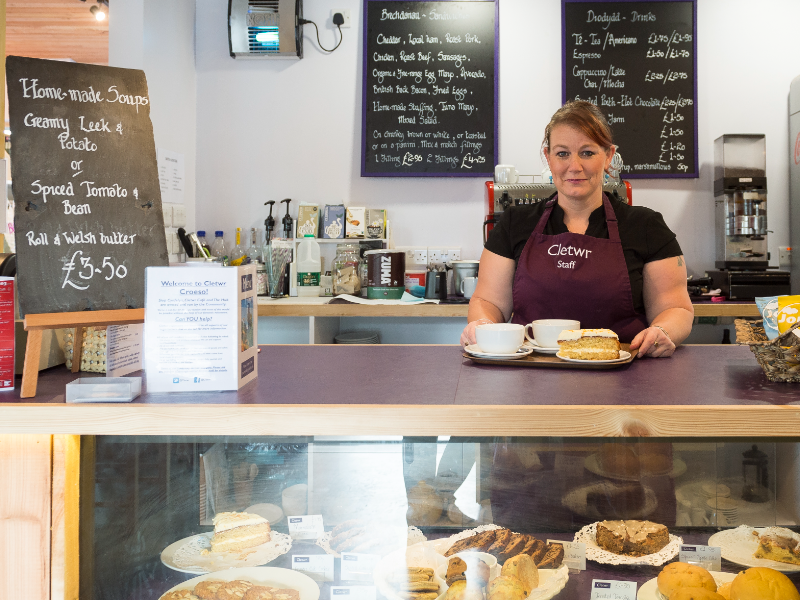
Community-owned businesses safeguard vital services, create employment and volunteering opportunities, boost local economies, and maintain public spaces that address a wide range of social and inclusion issues.
We work with a wide range of partners and engage with all political parties across the UK to champion the needs of our membership and promote the transformative impact that community ownership can bring to local areas across the country.
Our call to Government
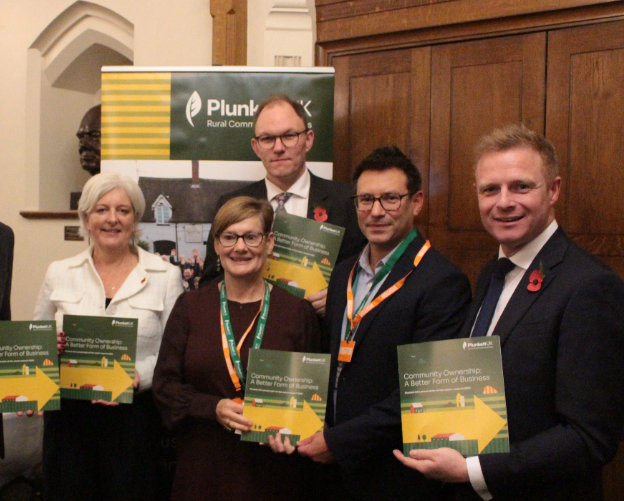
We engage with government on behalf of our rural community business members, urging it to deliver on its promise of inclusive economic growth and ensure that no community is left behind.
We urge policy makers to acknowledge that rural disadvantage – poverty, employment or access to services – is often dispersed and hidden within national statistics. A place-based approach to growth must uncover and address these inequalities.
With the correct capital deployment, Plunkett UK believes that 120 rural community businesses could be created within the next three years, helping to providing renewal and inclusive growth in 120 areas.
“For too long, governments have overlooked the vital role of rural community businesses in tackling isolation, maintaining local services and creating economic resilience. We urge ministers to recognise and back this proven model, and to work with Plunkett to ensure their initiatives are reaching rural areas, where there is a track record for long-term sustainability.”
James Alcock, Chief Executive, Plunkett UK
Plunkett has five priorities for government intervention to ensure a growing and thriving community business sector:
If you are a member and would like to raise an issue, or discuss our policy and advocacy work, please email Ian Young, our Policy Manager.
Our campaigning work
Community businesses are democratic by design, and the wider community business movement also requires collaboration.
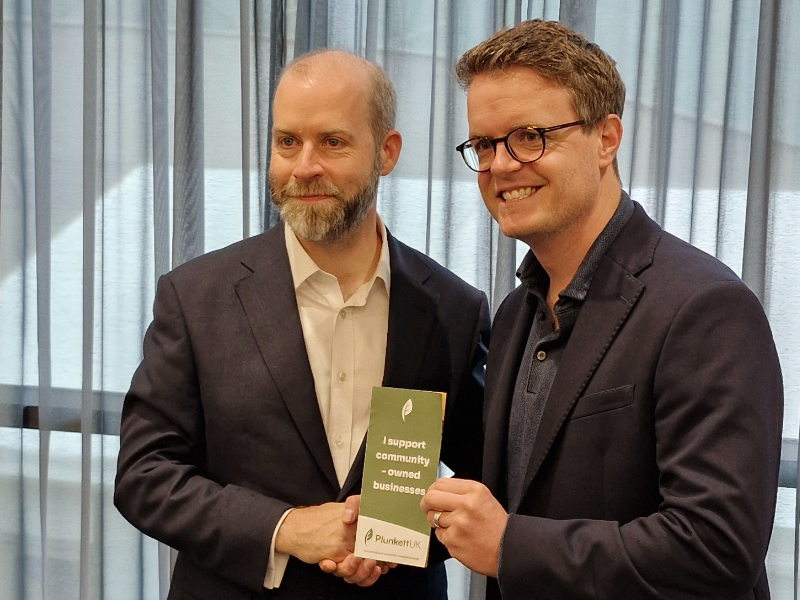
We work with partners across the cooperative sector, others who are building community businesses and funders in order to demonstrate the value of community business and campaign for policy changes. Our policy partners include Power to Change, Locality and Cooperatives UK.
We are also members of coalitions including:
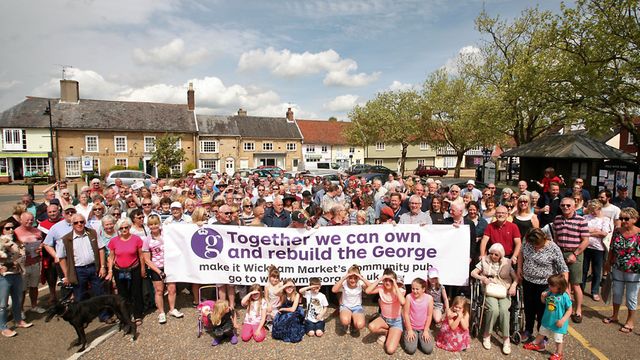
We’re Right Here: a campaign to help restore power to communities across the UK. We’re Right Here has played a vital role in expanding rights for communities to take important assets into their hands, including the successful passage of the English Devolution and Community Empowerment Act.
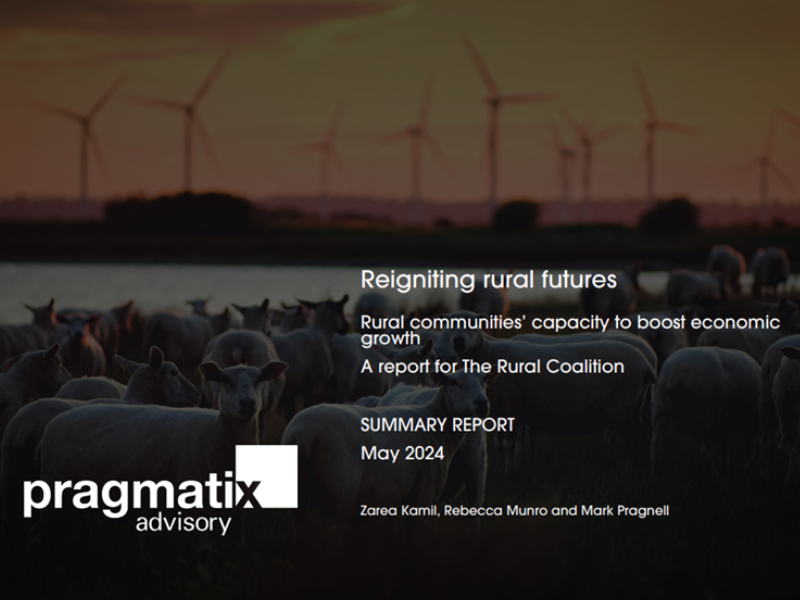
The Rural Coalition: Plunkett is one of 12 members of the Rural Coalition, a group which advocates for policy that helps deliver a living, working countryside in England, which is fairly invested in, funded and supported.
The Social Economy: Plunkett is part of a number of groups which advocate for the importance of the impact economy, which is made up of businesses, philanthropists or investors who are purpose driven. This group resulted in the creating of the Office for the Impact Economy, generating opportunity for these stakeholders to successfully partner with government.
Read news of Plunkett UK’s policy asks, consultations and campaigns



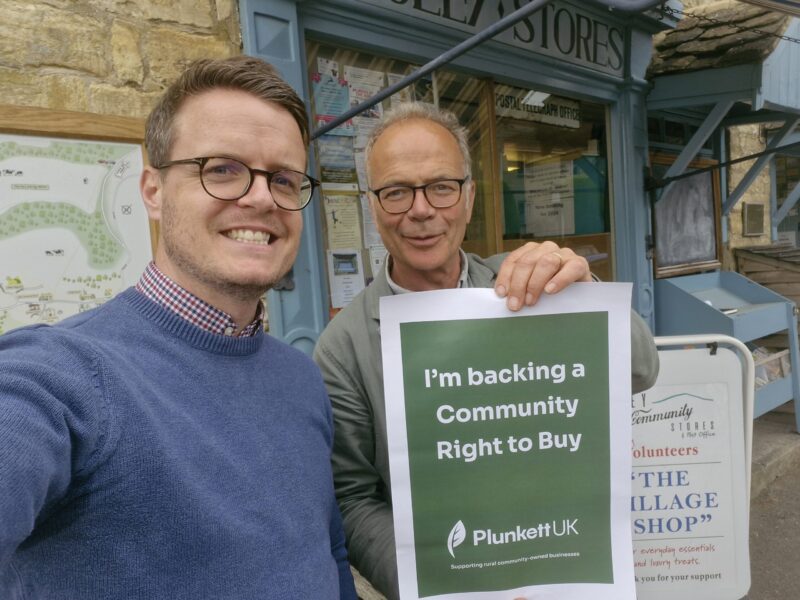
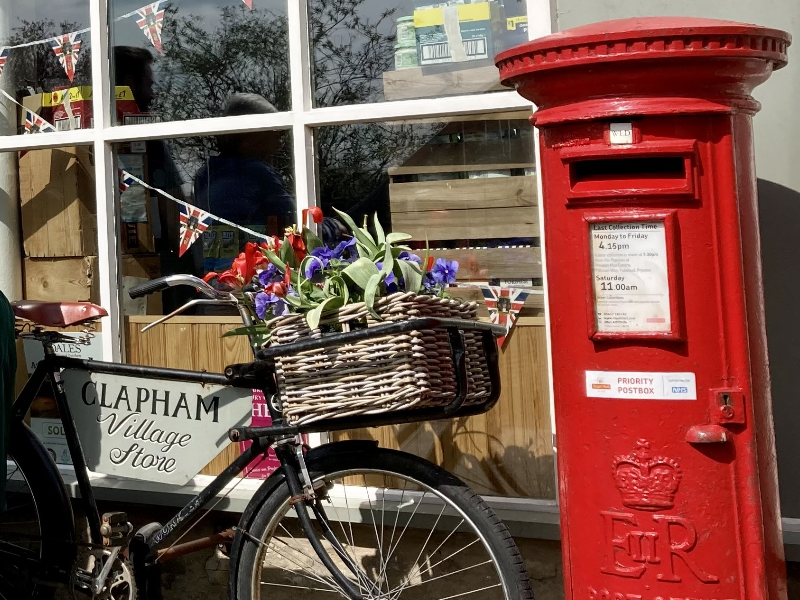

Join the movement: Become a member today
As our membership grows, so does the profile of our movement. If you are not already a Plunkett member, please sign up today. You can become an individual supporter for just £22.50 a year and show your support for this growing sector.
If you are interested in learning more about our research and policy work, please do get in touch with us at policy@plunkett.co.uk or make a donation to support our research activity.