
Plunkett UK welcomes the Government’s continued commitment to a nationwide Post Office network and recognises the vital role that Post Offices play in sustaining rural communities.
The decision to retain the current geographical access criteria and the minimum requirement of 11,500 branches is particularly encouraging.
Rural communities rely on local Post Offices not simply as places to access postal and banking services, but as essential infrastructure that helps people remain connected.
Plunkett supports more than 300 community shops which host Post Office services, and hear first-hand from members about both the enormous value these services provide and the increasing pressures involved in keeping them running.
Plunkett also welcomes the ambition to create a more accountable, transparent and financially sustainable Post Office. Building trust with postmasters and communities will be fundamental to achieving this, and we hope this signals a willingness to work more closely with organisations such as Plunkett that represent hundreds of community-owned businesses delivering Post Office services across the UK.
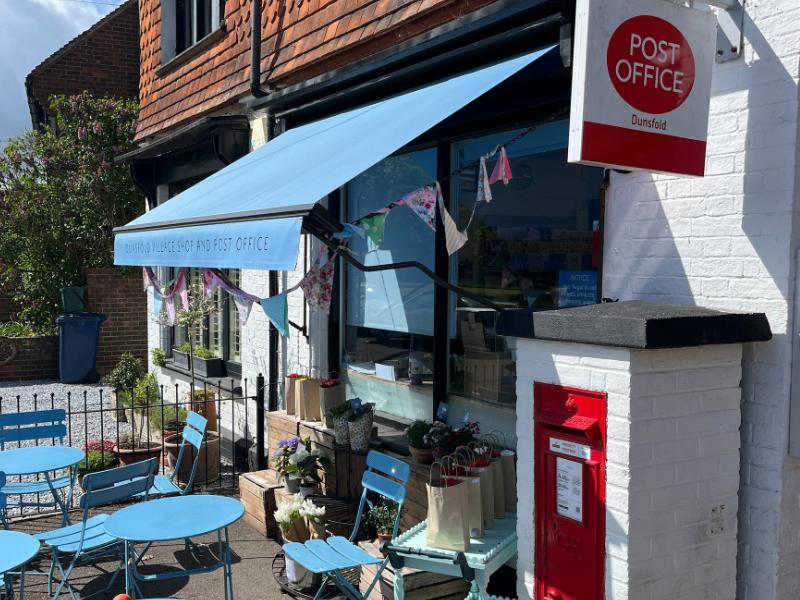
Dunsfold Community Shop & Post Office (Surrey)
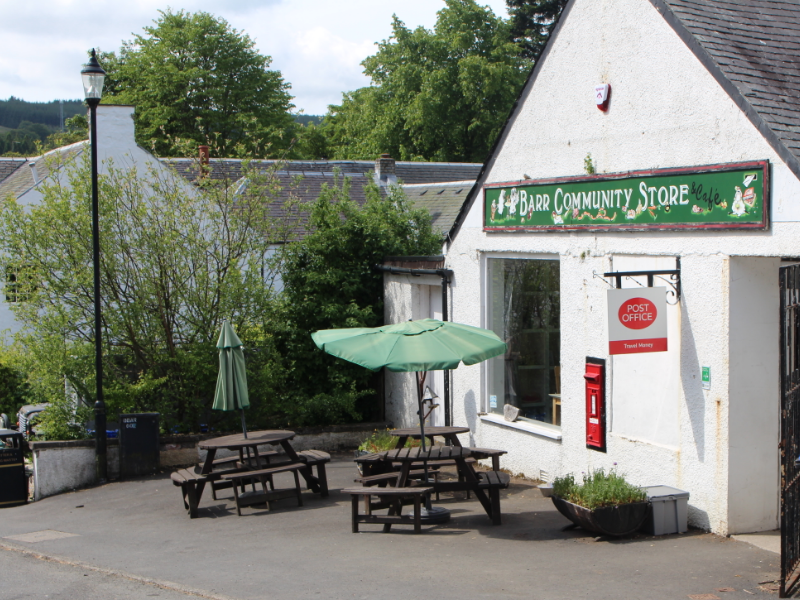
Barr Community Shop and Post Office (South Ayrshire)
There are, however, areas where we believe further work is needed
While maintaining a network of full-time, full-service branches is an understandable ambition, a ‘one-size-fits-all’ approach is unlikely to meet the needs of every rural community. Some smaller communities simply cannot sustain long opening hours or the full range of services, despite having a clear need for local provision.
Many of Plunkett’s members already go above and beyond to keep Post Office services available in their communities. We regularly hear how goodwill, volunteer time and an unwavering commitment to serving local people are helping to keep branches afloat, but this is not a sustainable long-term model.
Community businesses need operating arrangements that recognise the realities of rural delivery and properly support those providing these essential services.
Plunkett would welcome the opportunity to work with the Post Office to explore more flexible operating models that secure access to vital services without placing unrealistic demands on volunteer-led community businesses.
Similarly, Plunkett supports the aspiration for Post Offices to strengthen local high streets, but this ambition needs to be adapted for rural communities, where many Post Offices are housed within isolated, community-owned shops operating on extremely tight margins.
Where a loss-making Post Office exists without a sustainably funded operating model, it can undermine the financial resilience of the wider business. Rather than strengthening the local community, it can place both the Post Office and the host business at risk. The success of future models will depend on ensuring Post Office services are commercially viable for those delivering them.
Plunkett recognises that the Post Office must become financially sustainable and reduce its reliance on public funding. Community-owned businesses have repeatedly demonstrated that they can deliver essential services efficiently while generating wider social value.
“We welcome the Government’s commitment to the future of the Post Office network and believe there is a real opportunity to work together to develop innovative, sustainable models that meet the needs of rural communities while supporting the Post Office’s long-term ambitions.
“Plunkett remains committed to working with Government and the Post Office to ensure rural communities continue to benefit from accessible, resilient and locally owned Post Office services.”
James Alcock, Plunkett’s Chief Executive