
In the penultimate edition of our Impact Report series, we focus on how community businesses create opportunities for employment, training and volunteering.
When a rural business closes, the impact reaches far beyond the loss of a local shop, pub or café. As our Impact Report series has highlighted, community businesses provide essential services, bring people together and help rural communities thrive. They also create opportunities for local people to gain employment, develop new skills and build confidence through volunteering.
This is important at a time when youth unemployment remains a significant challenge. Recent reports suggest the number of unemployed young people in the UK could rise above 800,000 in the coming months, potentially reaching its highest level since 2014.
For many businesses, rising costs continue to make recruitment increasingly difficult. However, these challenges are often felt even more sharply in rural communities, where employment opportunities can be limited and public transport is often unreliable or inaccessible.
This is where community-owned businesses make a real difference.
According to Plunkett UK’s 2026 Impact Report, more than half of community businesses (53%) employ young people aged between 16 and 25, helping them gain valuable work experience, develop new skills and take their first steps into the world of work. On average, each community business employs four members of staff, supporting around 3,500 jobs nationwide.
Community businesses are also creating opportunities for people who may face barriers to employment. Through flexible working arrangements, part-time roles and practical training, they offer supportive routes into work for those with disabilities, caring responsibilities or limited formal qualifications.
Alongside paid employment, volunteering remains at the heart of the community business sector. For many young people, volunteering in a community-owned shop, pub or café provides a first taste of the workplace. Whether through school initiatives or programmes such as the Duke of Edinburgh Award, these opportunities help build confidence, develop practical skills and improve future employment prospects.
The benefits of volunteering extend far beyond young people. It provides people of all ages with opportunities to stay active, learn new skills and strengthen social connections. For some, it can help tackle loneliness and isolation. For others, it offers a chance to share their knowledge and experience while contributing to a project that directly benefits their community.
Community businesses are increasingly working alongside schools, charities and specialist organisations to create opportunities for people with disabilities, health conditions and additional learning needs. Older volunteers also play a vital role, with more than three-quarters of rural community businesses reporting that volunteers aged over 60 make up at least half of their volunteer workforce. Their experience, commitment and local knowledge help these businesses thrive, while 94% of community businesses report the positive benefits on volunteers’ health and wellbeing.
Meet Skye, who has worked at her local community-owned pub, The White Horse in Stonesfield, Oxfordshire since graduating from university and whilst considering the next stage of her life. She explains the difference working there has made to her.
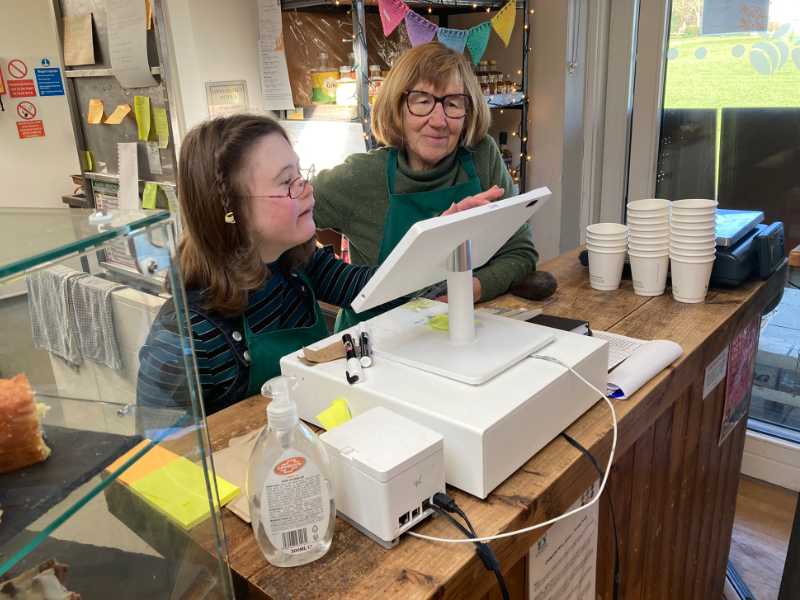
Westbury Community Shop and Cafe, who work with a local school, offering work experience to students
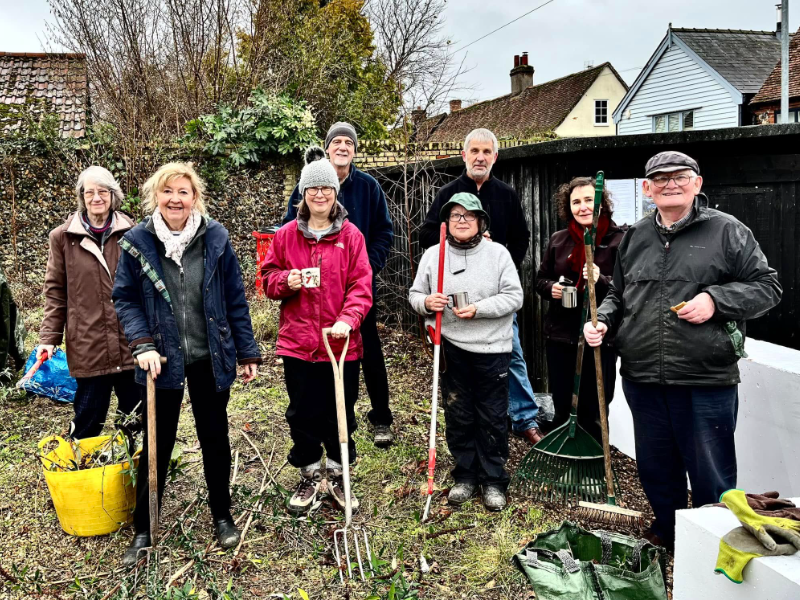
The gardening team!
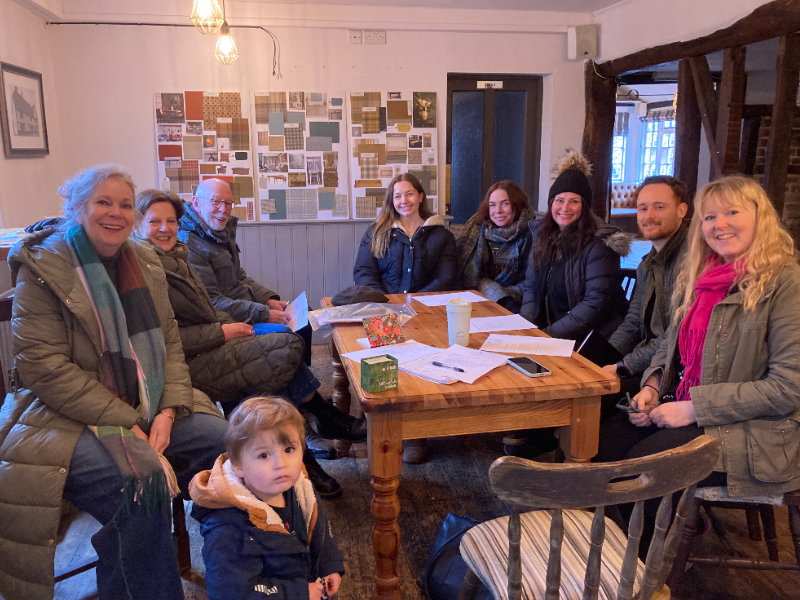
The interior design team!
Turning strangers into teammates when saving their community pub.
Volunteers are often the driving force behind a project, transforming an idea into a reality through the time, skills and passion they contribute. In most cases, it is local volunteers who first recognise a need in their community and then lead the effort to secure its future.
In Ickleton, Cambridgeshire, the campaign to save and reopen The Ickleton Lion demonstrates the power of community action in practice.
As residents worked together to bring the village pub into community ownership, people from across the community stepped forward to help. Volunteers of all ages and backgrounds contributed their time and expertise, supporting everything from fundraising, communications and administration to legal advice, project management, IT, plumbing, electrics, carpentry and design.
But the impact went far beyond the practical tasks needed to get the project off the ground. The campaign brought people together around a shared purpose, creating new friendships and connections along the way. Neighbours who had never met became teammates, working side by side to secure an important piece of their community’s future. In the process, volunteers developed new skills, shared knowledge and helped build a stronger sense of community spirit.
Inclusivity was central to the group’s vision for The Ickleton Lion. Older residents, people with disabilities and those caring for loved ones living with dementia all helped shape the plans for the pub, informing decisions on accessibility and design. The group also considered how to create a welcoming environment for people with hidden disabilities and neurodiverse needs.
The team also received Disability Awareness and Mental Health First Aid training to help create a welcoming and supportive environment for both customers and staff. Also, the group is a Disability Confident Employer, further strengthening its commitment to inclusive employment opportunities.
Plunkett’s Impact
Training and development are a key part of our work. Throughout the year, we deliver webinars, events and networking opportunities that help community businesses attract, support and retain both employees and volunteers. Recent sessions have explored engaging young people in volunteering, creating inclusive opportunities for people from all backgrounds, and managing intergenerational relationships within community businesses.
Volunteering is something we actively champion within our own organisation too. Plunkett offers its staff the opportunity to volunteer for up to 14 hours each year within their working time, whether that’s supporting a community business, helping within their local community or serving as a trustee for another charity.
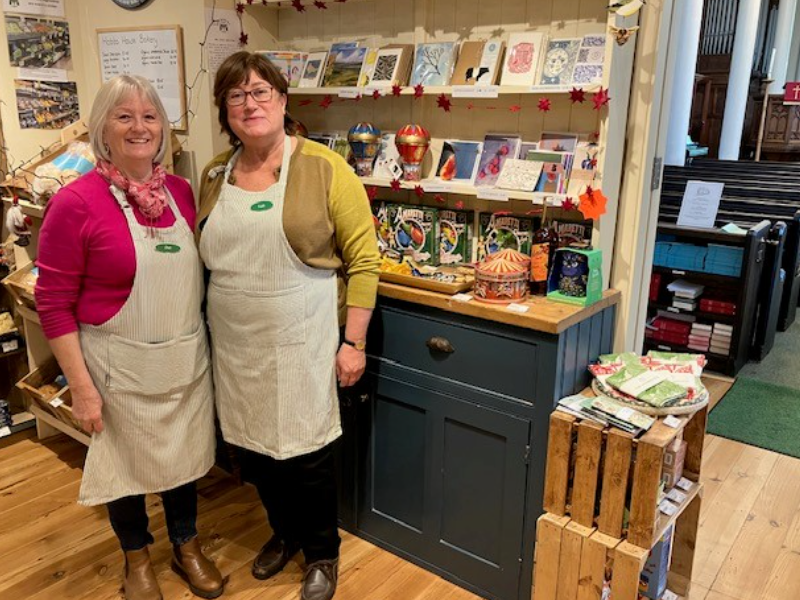
Our Chief Operations Officer, Kath Morrison (right), who volunteers at Amberley Shop & Cafe
Explore the 2026 Impact Report
You can explore all five areas of impact in our annual report which is packed with statistics, insights and inspiring case studies from community businesses across the UK.
If you have any questions about our support services or need help setting up or running a community-owned business, we’d love to hear from you. Contact us at info@plunkett.co.uk or call 01993 630022.