
The growing impact of community-owned businesses in protecting local services
Across the UK we are seeing an increase in the closure of public services, leaving residents – especially older people and those with disabilities – without places that are vital to daily life. When these spaces disappear, so does access to goods, social connection and support. The result is often increased isolation and loneliness which are already more pronounced in rural communities.
Recent national media coverage has highlighted how the rise in pub closures seriously impacts local communities. At the same time, we’ve been encouraged to see growing interest in how community ownership is helping to save pubs and reverse this trend. The Plough in Fadmoor, for example, has featured in The Telegraph and even has its own TV series on More4, while Oakbank Community Inn has been covered in The Guardian.
These businesses are attracting attention because of their community-owned nature and their commitment to being “more than” a traditional business. By offering additional services and acting as multi service hubs, they are stepping in where others have failed and ensure their communities continue to have access to the essentials they rely on.
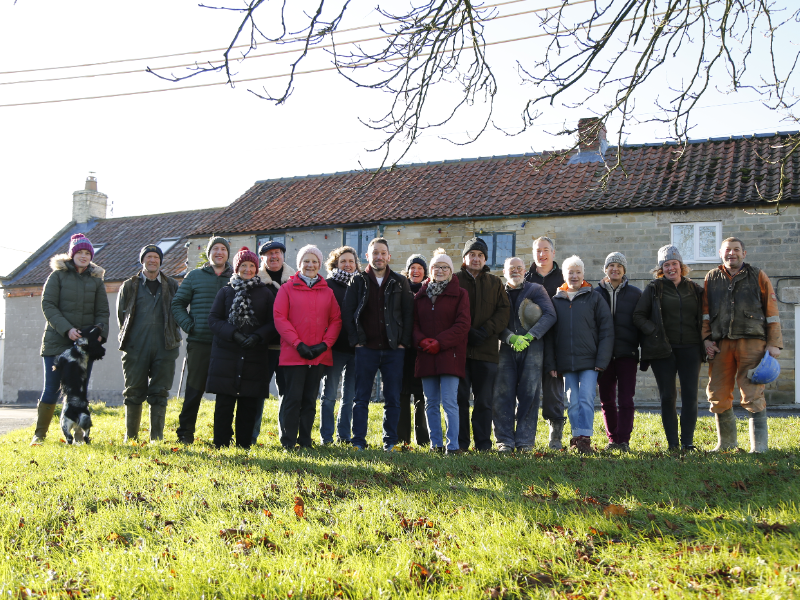
Locals outside the Plough, Fadmoor with comedian Jon Richardson (centre)
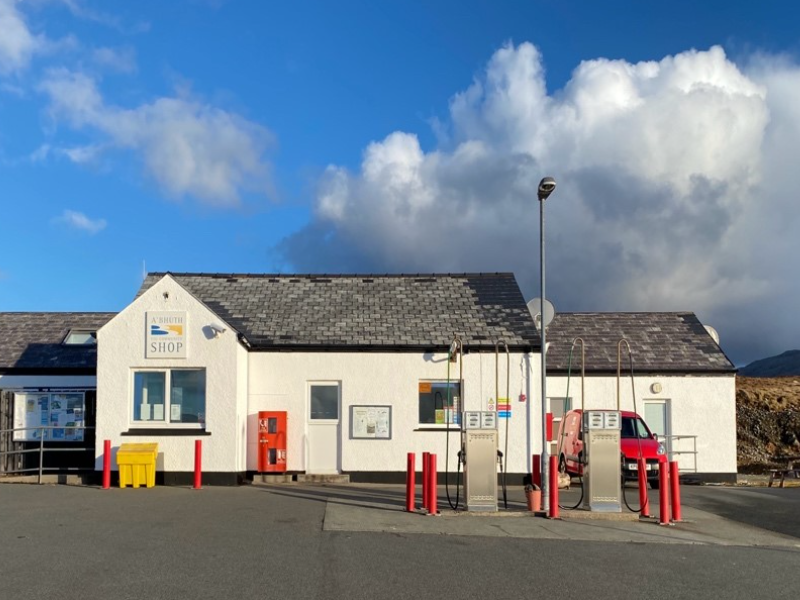
Addressing their very rural community need, Uig Community Shop on the Isle of Lewis even has its own laundrette, delivery van and petrol station!
The value of this “more than” approach is being recognised well beyond the communities themselves, including at government level. Last year, Terry Jermy, MP for Southwest Norfolk, spoke in Westminster about the strength of community-owned shops, noting that “those shops that are successful seem to be those that are multi purpose.” It’s a message we highlight in our Future of Rural Retail Report because it perfectly captures why community businesses continue to thrive: they don’t just offer a service; they expand their role to meet the essential needs of the people around them.
Our Impact Report also reflects this through one of our core impact areas: safeguarding access to a wide range of goods and services. “Safeguarding” is the key word here, because these businesses actively reach out to the most vulnerable and ensure that no one in their community is left behind. This is backed up by data highlighted in the report: according to Defra, community businesses typically serve an immediate population of around 500 residents, with a further 2,000 people able to access their services from surrounding parishes. That means an estimated 2 million people benefit from these community-owned services.
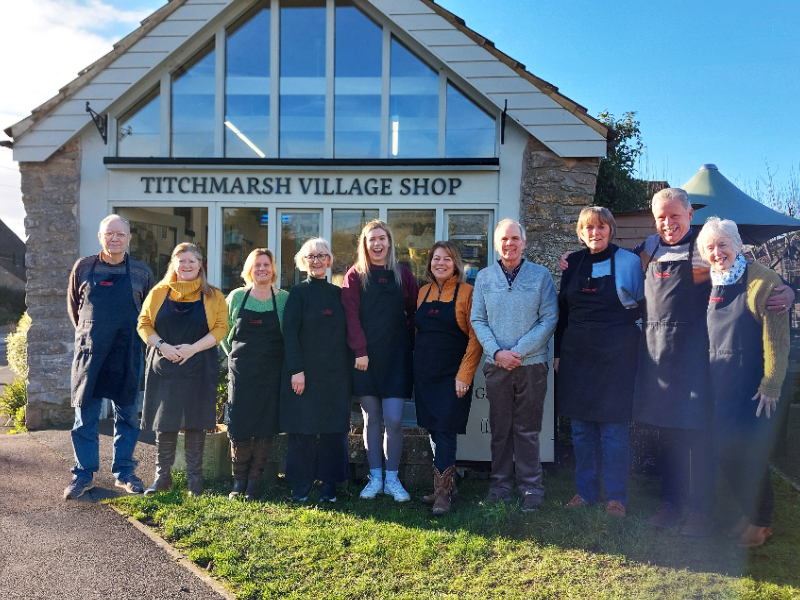
A great example of the impact comes from the winner of our ‘More Than Award’ at last year’s Rural Community Business Awards: Titchmarsh Community Shop in Northamptonshire. The shop runs a wide range of community focused activities, including fetes, open days, theatre lunches, bacon bap mornings and charity fashion shows. By extending its opening hours to coincide with village events, it makes its services more accessible to both residents and visitors.
But its impact goes far beyond social events. When two local children faced serious health conditions, the shop stepped in with dedicated fundraising, with events like the charity fashion show directly supporting their families. It also looks out for residents who may struggle to visit in person, offering an informal phone order and home delivery service. For younger members of the community, the shop hosts educational visits from the local primary school and Brownie pack, helping children build practical shopping and budgeting skills.
Titchmarsh is a clear example of what happens when a business becomes more than a service. By offering extra support, creating opportunities for connection and making sure everyone feels included, it delivers a wide range of impact by creating a genuinely welcoming environment.
What is Plunkett’s role in this impact?
The simple answer is that our day to day business support helps communities set up and run these businesses. Our members have access to resources that guide them in expanding their services and managing the additional responsibilities that come with being “more than” a traditional business.
Alongside this, our advocacy work represents the interests and impact of our members in the media and with government, aiming to make managing these assets easier and to support more communities to take ownership. We are always keen to work with journalists and media outlets by providing case studies, statistics and commentary that help highlight the importance and impact of community ownership. For more on this, please get in touch with our communications team by emailing media@plunkett.co.uk
But our work goes further than that, we provide regular webinars and training opportunities for our network. Last year, for example, our Impact Officer, George Ogier, hosted a free webinar dedicated to helping communities expand their services. Flo’s The Place in the Park – a community-owned business in Oxford – joined the session to share practical ideas and inspiration that attendees could take back to their own communities. They offered insights into how additional services strengthen local infrastructure and explored ways of weaving impact into business plans.
Further reading and support
Both our Impact Report and our Future of Rural Retail Report both offer statistics, insights and examples that community groups can learn from, while also showcasing how we advocate for our members. If you have any questions about our support or need help setting up or running your community business, contact us today. You can email info@plunkett.co.uk or call 01993 630022.