
This Mental Health Awareness Week, we’re celebrating how community-owned hospitality businesses offer so much more than food and drink. They are lifelines: safe, welcoming spaces where people connect, share, and feel less alone.
In many rural communities, connection depends on shared spaces – but what happens when those spaces disappear?
For many people, the local pub or café is where they come together. Without these places loneliness can grow and the impact on mental health can be profound.
That’s why community-owned hospitality matters. The venues local groups have saved are more than places to eat and drink – they are spaces where conversation flows, friendships form, and people feel part of something bigger.
As the Mental Health Foundation puts it, “without community, there’s no mental health.” We cannot afford to lose the spaces that bring people together.
This Mental Health Awareness Week (11–17 May), the theme is “Taking Action”. It’s a reminder that small steps – checking in on a friend, starting a conversation, showing up – can make a real difference. And when those actions happen in shared community spaces, their impact is even greater.
That’s why community-owned pubs and cafés are so vital. Through our work supporting communities to keep these spaces open, we’re helping to protect more than businesses – we’re safeguarding the everyday places where wellbeing is strengthened, and a sense of belonging is found.
It is about being a community
At Plunkett, we often describe community businesses as being “more than” the services they provide – and we do not say this lightly. It reflects the essential role these businesses play at the heart of their communities.
Across the 850+ community businesses we support, we see this every day. The Maybush in Great Oakley, Essex, captures this perfectly. As Martin, a volunteer explains:
“These events on a Thursday bring in people who wouldn’t normally come in. They are nearly all people who live on their own. It is about being a community.”
For many, these spaces are truly life changing. Lou, a volunteer at the pub, shared how she once found it difficult to walk into a bar alone. Her community pub, however, offered a welcoming space – helping her build confidence and connect with others when she first arrived in the village.
Watch Lou and Martin in this short video
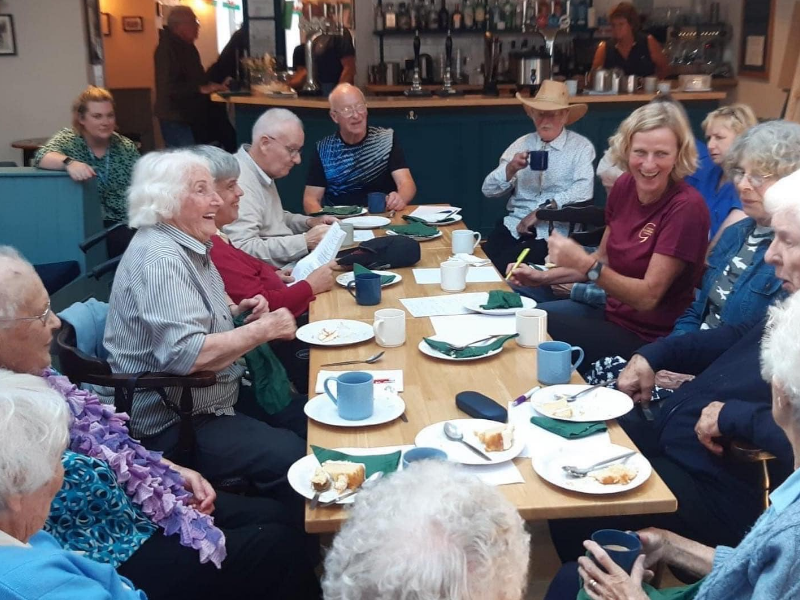
The Cafe at Yr Heliwr, Nefyn
A sense of community extends far beyond social connection. In North Wales, Yr Heliwr in Nefyn partners with a local residential home to provide dementia-friendly services, as well as running a Digital Café to support those experiencing digital exclusion.
Community businesses also come into their own during times of crisis. When severe storms hit Scotland in January 2025, leaving many rural communities without power, local community businesses stepped up to support those around them. Barr Community Shop & Café delivered cooked meals and checked in on isolated residents, while also keeping the shop open as a vital local hub. Similarly, The King’s Arms in Ballantrae opened its doors as a warm, safe space, even bringing in a counsellor to support people during a difficult time.
These examples show what community ownership looks like in practice – whether in moments of crisis or in the everyday act of keeping the lights on and the door open. By providing connection, support, and resilience, community businesses are essential to the people they serve – and it is vital that they continue to thrive.
A challenging landscape
This isn’t to say that other hospitality businesses aren’t doing similar work – but the reality is that the sector is under serious threat, and community ownership offers a powerful solution.
Take pubs, for example. Official figures say that 161 pubs closed in the first three months of 2026 across England, Scotland and Wales, equating to the loss of around 2,400 jobs. Rising costs, changing consumer behaviour, and increasing business rates are pushing many venues to the brink.
And yet, these spaces are not just important – they are essential. For some, they may be the only place they go all week.
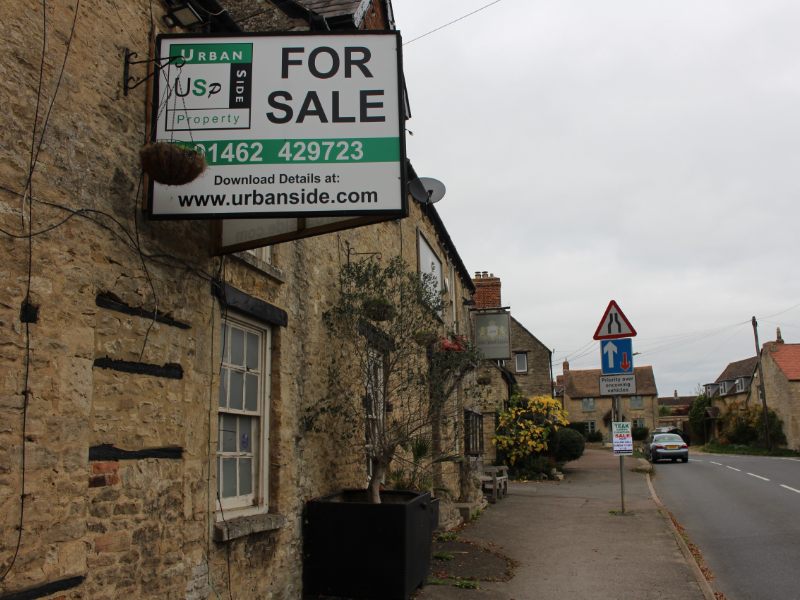
Let communities lead the way
Community-owned hospitality businesses offer a different path. With a 94% long-term survival rate, they are proving to be resilient in the face of these challenges. We currently support 360 community-owned hospitality venues, with many more on the journey to opening.
But they are not immune. The challenges facing the sector affect them too. That’s why Plunkett’s mission to keep these spaces open matters so much – because sustaining their resilience means sustaining their impact on people’s lives.
We began this blog with a question. And if you are still unsure about your answer, then together, we can save rural hospitality.
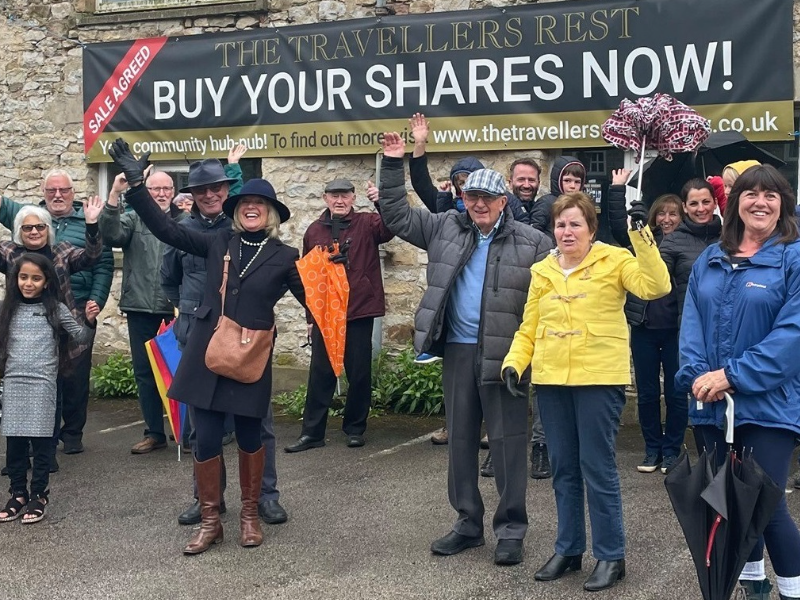
The Travellers Rest, Skeeby, Yorkshire
Help us to keep the last light on
This is why Plunkett is raising funds through our Save Rural Hospitality Campaign, to help us support more rural communities to start and sustain community-owned hospitality businesses.
Please donate to our Crowdfunder or share it with others. Your support helps ensure that we can provide expert advice, practical support and the long-term guidance communities need to save, set up and sustain community-owned businesses.