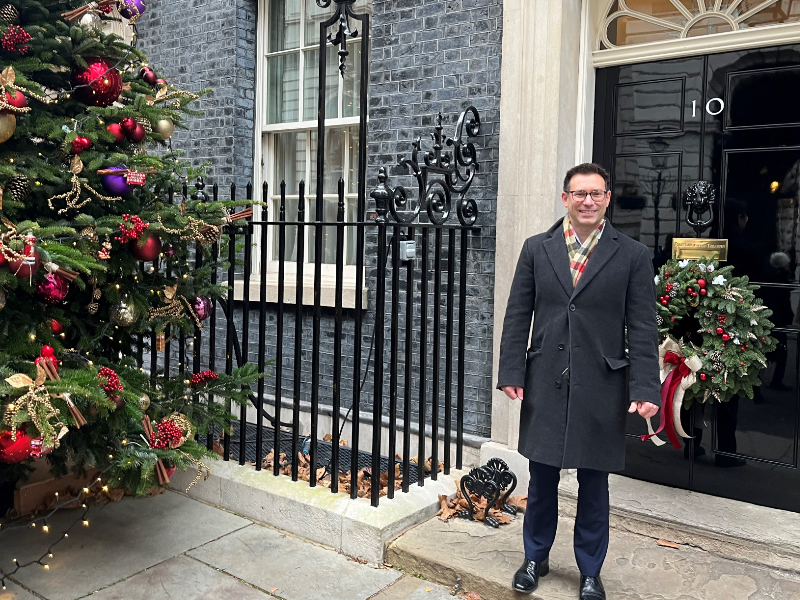
Advocating for change

Plunkett UK works in rural areas that are often overlooked and in decline.

Community-owned businesses safeguard vital services, create employment and volunteering opportunities, boost the local economy, and address a wide range of social and inclusion issues.

We work with a wide range of partners and engage with all political parties across the UK to champion the needs of our membership and promote the transformative impact that community ownership can bring to local areas across the country.
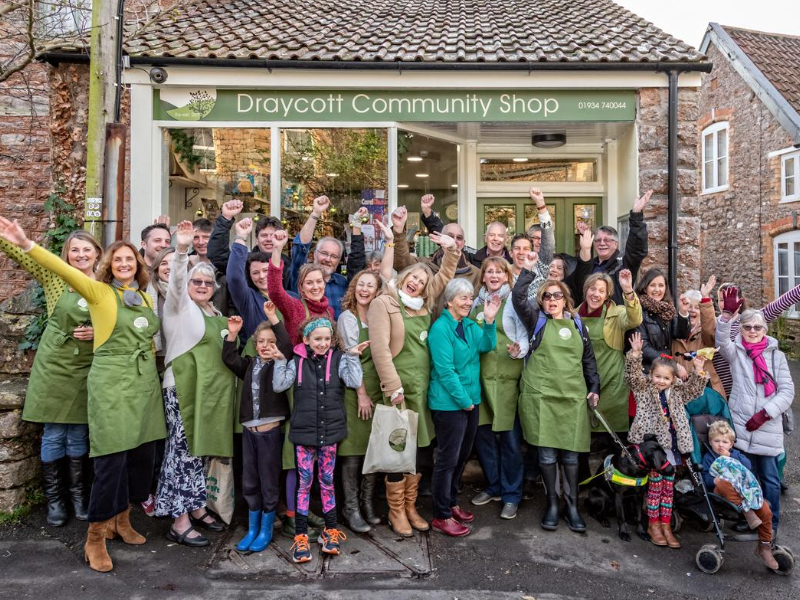
Your donation will help us to complete research which evidences the impact of the growing community ownership movement.

Our call to Government

We engage with government on behalf of our rural community business members, urging it to deliver on its promise of inclusive economic growth and ensure that no community is left behind.

We urge policy makers to acknowledge that rural disadvantage – poverty, employment or access to services – is often dispersed and hidden within national statistics. A place-based approach to growth must uncover and address these inequalities.

With the right support and investment, Plunkett believes that together we could grow the opening rate of rural community businesses from 30 to 60 a year over a period of 10 years.

“For too long, governments have overlooked the vital role of rural community businesses in tackling isolation, maintaining local services and creating economic resilience. We urge ministers to recognise and back this proven model, and to work with Plunkett to ensure their initiatives are reaching rural areas, where there is a track record for long-term sustainability.”

James Alcock, Chief Executive, Plunkett UK
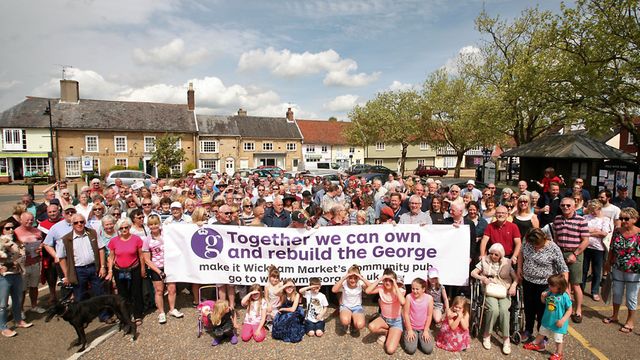
Plunkett has six priorities for Government intervention to ensure a growing and thriving community business sector:

As the only UK-wide organisation dedicated to supporting the creation of new rural community businesses, Plunkett’s support is critical to achieving the current growth rate of 30+ new community businesses annually. Operating at a cost of £1.3m annually, we rely entirely on fundraising, with no endowment or sustainable income source. An annual grant of £250,000 would help maintain the current growth and would generate an estimated £15.8m in GVA.
A rural-focused COF would raise awareness of the community ownership model, develop a larger pipeline of start-up groups, build the capacity and confidence of pipeline groups to progress to trading stage and provide blended finance with significant levels of community match-funding. A £10m investment over 10 years would establish 500 rural community-owned businesses with a total estimated GVA of £264m. This is in contrast to the former £150m COF, saving £140m while supporting 100 more businesses – achievable due to rural areas having lower costs of assets, an existing pipeline of 1,150 groups, stronger traditions for self-help, and with greater access to community share capital.

We propose a strengthened Community Right to Buy, enshrined in law across the UK, giving community groups the first right of refusal on Assets of Community Value. This includes a 12-month moratorium period (with a 6-month review) to raise funds, preventing sales at inflated ‘hope value’ through independent valuation, and protecting at-risk local assets and businesses. While existing rights since 2011 have supported ownership, stronger legislation would ensure fairer pricing, adequate time for fundraising, and greater empowerment for communities to secure vital local assets.

A £1.5m fund could provide critical support to over 50 ‘at risk’ rural community businesses each year. Revenue funding would enable community businesses to invest in temporary staffing to maintain operations – providing breathing space and avoiding reduced opening hours or scaled-back services – while allowing time to engage more widely with the community, to identify new opportunities to evolve services, broaden impact, and ultimately grow sales and profitability. Further revenue funding, in the form of grants and loans, could be critical to support business growth and diversification. A 10-year fund worth £5m, for example, could support over 250 rural community businesses – such as a community shop expanding to open a café, or a pub investing in energy-efficient upgrades that both reduce costs and increase income.

Plunkett members sometimes qualify for business rate relief due to their rural location, small business status, or operation within retail, hospitality or leisure. While welcome, this support is applied inconsistently and is under constant threat of withdrawal. We advocate for all businesses trading primarily for community or social benefit to receive consistent rate relief, assessed through their legal structure or governance. The resulting savings would allow these enterprises to reinvest in improving services for disadvantaged groups, or in green energy generation and energy efficiency measures, amplifying their positive impact on communities.

Plunkett has seen growing interest from landowners, master planners, and housebuilders to embed community businesses (like shops or cafés) into new housing developments. However, this remains voluntary. We advocate for mandatory consultation with the local residents and stakeholders of new developments on whether they would support the integration of community-owned infrastructure. Where this is not viable, Section 106 contributions should ensure funds are pooled for community infrastructure elsewhere in the local area. This approach ensures new developments become thriving places to live and work, with inclusive local economies and strong social connections.

Join the movement: Become a member today

As our membership grows, so does the profile of our movement. If you are not already a Plunkett member, please sign up today. You can become an individual supporter for just £22.50 a year and show your support for this growing sector.

If you are interested in learning more about our research and policy work, please do get in touch with us at policy@plunkett.co.uk or make a donation to support our research activity.


Share This Story, Choose Your Platform!