
Alex Begg, a Trustee at Plunkett UK, reflects on the demise of the multinational brewery and pub chain – and explains why genuine community ownership matters more than ever.
It has been a sobering week for many long-standing supporters of BrewDog. The once-celebrated “Equity for Punks” campaign, which raised more than £75 million from retail investors, was marketed as a revolution – a chance for ordinary people to own a stake in the craft beer movement and have a voice in its future.
Thousands bought into the vision. They weren’t just customers; they were “punks” – enfranchised, empowered and part of something bigger.
But as widely reported, the company’s latest chapter – marked by private equity dominance and a much slimmer private ownership structure – has left many of those early retail investors reflecting on what their stake truly meant.
Through the mechanics of preference shares and investment structures common in high-growth finance, early community investors found themselves diluted and effectively sidelined.
The language of community remained powerful; the lived experience, for many, did not. It is a story that feels sadly familiar.
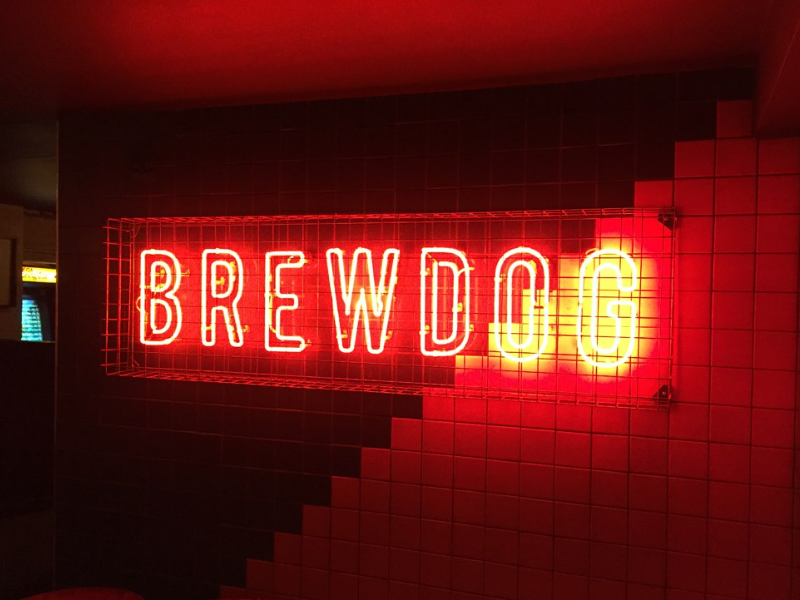
Photo credit: Matt Brown/Flickr
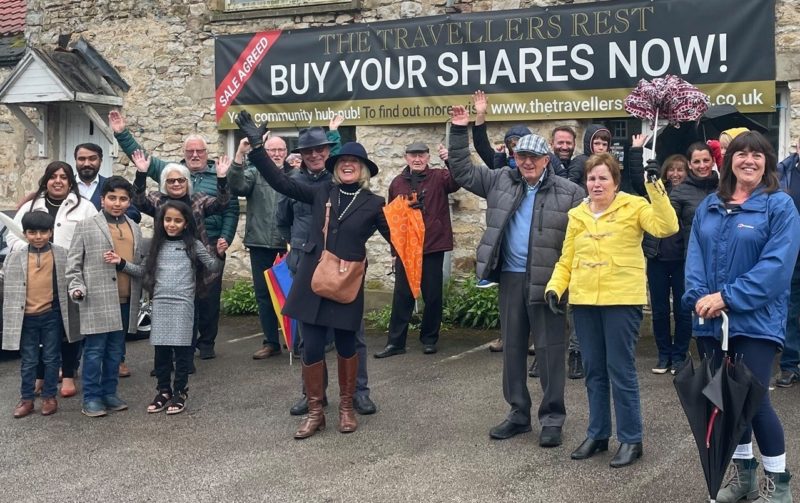
Community members celebrate taking on ownership of The Travellers Rest, Skeeby, in North Yorkshire in 2022. The pub reopened in 2024.
Another way to do business
Community rhetoric can be compelling. Inviting customers to “join the movement” resonates deeply, particularly in sectors like food and drink where loyalty and identity are strong.
But without governance structures that genuinely protect members’ influence and interests, ownership can become symbolic rather than substantive.
Yet this moment is not just one of disappointment – it is also one of clarity. Because there is another way to do business.
Across the UK, genuine community-owned enterprises are thriving under a very different model – one built not on marketing slogans, but on legal and governance principles designed to safeguard community benefit for the long term.
Community Benefit Societies (CBS) operate on a simple but powerful foundation: one member, one vote. Not one share, one vote. Not influence weighted by capital. True democratic control.
These organisations also embed asset locks, ensuring that the business and its value cannot simply be sold off for private gain. Governance mechanisms are structured to prevent the concentration of control and profiteering by a few.
This is not theory. It is happening at scale.
Plunkett UK’s membership network includes some of the most inspiring examples of community ownership in action – and notably, many within the same brewing and distilling sector that BrewDog helped popularise.
These are enterprises where community ownership is not a marketing hook, but the legal and governance foundation of the business. They include:
- Drone Valley Brewery in Derbyshire, with 800 members who gives all profits to support local good causes
- Boundary Brewing in Belfast, Northern Ireland, in operation for more than a decade
- Heaval Distillery on the Isle of Barra in Scotland – currently in development
They are proving that independent brewing and distilling can thrive under a genuine one-member, one-vote model – where local people don’t just buy the product, but truly own the enterprise behind it.

Beyond breweries and distilleries, the movement is even broader:
- Over 210 community-owned pubs
- More than 440 community-owned shops
- Community-owned woodlands, housing projects, bakeries, markets, bookshops and community centres
These are not vanity projects. They are resilient, rooted enterprises. Community-owned businesses supported by Plunkett have a 98% five-year survival rate, compared to around 50% across the wider SME sector. That longevity is no accident. It stems from local accountability, shared ownership and reinvestment for community benefit rather than external extraction.
We already have the blueprint
So, while BrewDog’s transition into a new phase of private ownership may close one chapter for Equity Punks – many of whom had long feared this outcome – it also serves as a powerful reminder: not all “community” is created equal.
True community ownership is not a branding exercise. It is a governance choice. It is a legal structure. It is a commitment to shared power.
Plunkett remains the only dedicated advisory and support charity focused entirely on helping rural communities establish and sustain community-owned businesses across the UK. For over a century, it has championed models that put people before profit and protect local assets for future generations.
In moments like this, the distinction matters more than ever.
If we want businesses that communities can genuinely trust – and that communities truly own – we already have the blueprint. And it is working.
Alex Begg is a Trustee of Plunkett UK and a member of The White Swan, Gressenhall in Norfolk
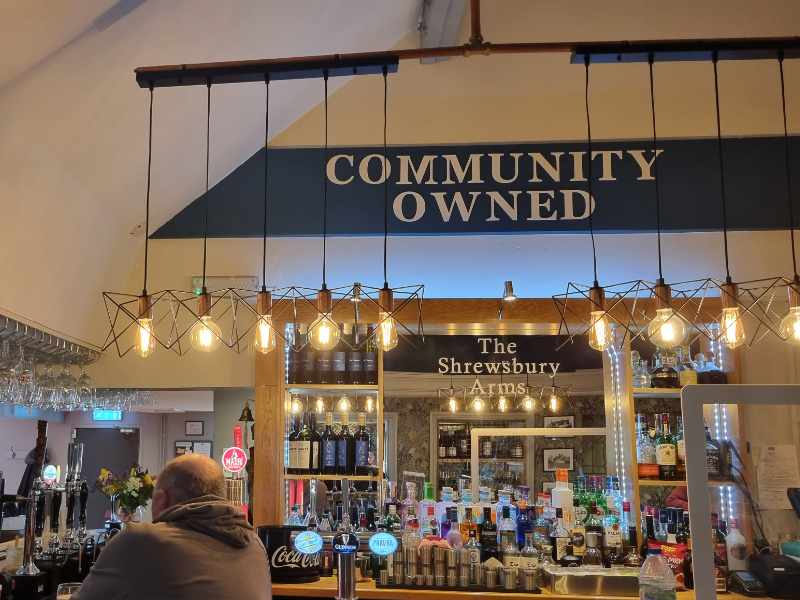
Our campaign to save rural hospitality
With more hospitality businesses than ever facing permanent closure, the opportunity for communities to step in and secure these much loved local assets through community ownership has never been greater.
Later this month, we’ll be launching a Crowdfunder to Save Rural Hospitality, and help us meet the rising demand for support, both from groups fighting to save their local assets and from those already trading who want to ensure long-term sustainability.
Keep an eye on our website and social channels for updates – and you can already join our Hospitality Group on LinkedIn by clicking the button below.