
Plunkett UK has responded to the Government’s recent announcement on the future of the Post Office, acknowledging several positive commitments – but warning that the framework still lacks a full understanding of how rural communities sustain their local branches.
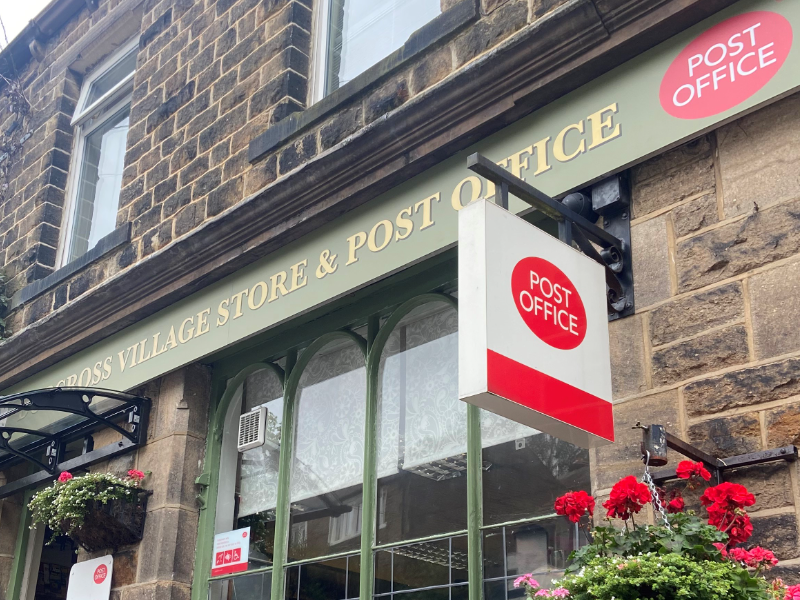
As the national charity supporting over 850 community-owned businesses, Plunkett sees first-hand the increasing role that more than 300 community shops play in hosting Post Office services, often stepping in when private operators withdraw.
They are frequently the last remaining business or social hub in their communities. Our response to ‘Future of Post Office’ Green Paper last autumn was informed by an online consultation with 50 community business members, ensuring their experience shaped our submission.
Harriet English, Deputy Chief Executive of Plunkett UK, said: “The government’s response recognises the importance of the Post Office network, but it still doesn’t reflect the realities faced by rural communities or the community-owned businesses now keeping many branches open. If the Government wants long-term resilience, rural community-owned businesses must be part of the solution.”
Positive steps forward
Plunkett UK recognises several positive elements in the Government’s paper, including:
- A commitment to maintaining 11,500 branches and retaining existing geographical Access Criteria, helping safeguard rural access to essential in person services.
- A requirement for at least 50% of branches to be full time, full service, reflecting the higher social value and reliability communities need.
- A decision to retain the current definition of a branch, preventing the downgrading of rural provision to limited hours or parcel only services – something many respondents warned would cause hardship.
- Continued reference to mutualisation as a long-term option, signalling recognition of more community-centred ownership models once financial stability improves.
Rural realities remain overlooked
Plunkett remains concerned that the Government continues to assess the Post Office network through an urban lens, assuming that combining Post Office operations with retail provides a straightforward route to financial sustainability.
In rural areas, this model is already commonplace – and often fragile. Many Plunkett members report that Post Office services often run at a loss, requiring community businesses to subsidise staffing and other costs from their retail profits.
This growing financial strain, combined with wider rural business pressures, can determine whether a business remains viable. Community businesses continue to subsidise Post Office services not for extra footfall, but to protect essential access for older people, people with disabilities, and those without digital alternatives.
Without recognising these economic realities, policy risks overlooking both the pressures on rural operators and the absence of alternative shops or services in many areas.
Crucially, the Government’s paper still does not fully acknowledge the vital role of community-owned businesses as hosts of rural Post Offices, nor the need to develop practical, financially viable models tailored to rural contexts.
Plunkett’s position moving forward
We welcome the Government’s stated willingness to innovate and adapt services to community needs. Plunkett UK stands ready to work with the Department for Business & Trade and the Post Office to ensure rural appropriate, community-led solutions are included in the next stage of policymaking.
“Rural communities deserve a Post Office network built around their needs, not assumptions. Recognising the role of community-owned businesses is essential to creating a service that is financially viable and genuinely fit for the future.”
Harriet English, Deputy Chief Executive, Plunkett UK