
Plunkett UK has shared its insights and policy suggestions to tackle deprivation in rural areas with the Labour Rural Research Group in response to its call for evidence to inform an upcoming report on rural poverty.
Rural deprivation is frequently hidden within national datasets, masked by averages and low population density. Yet rural communities face persistent and interconnected challenges across income, employment, access to services, housing, health, and skills.
Drawing on Plunkett UK’s evidence from over 850 community-owned businesses, this submission demonstrates how community ownership offers a proven, cost-effective policy response to multiple domains of rural deprivation identified in the 2025 Indices of Deprivation.
Community-owned businesses sustain essential services, create local employment, reduce isolation, and retain wealth locally. With targeted government support and rural-sensitive policy design, they can play a central role in tackling deprivation and supporting inclusive rural growth.
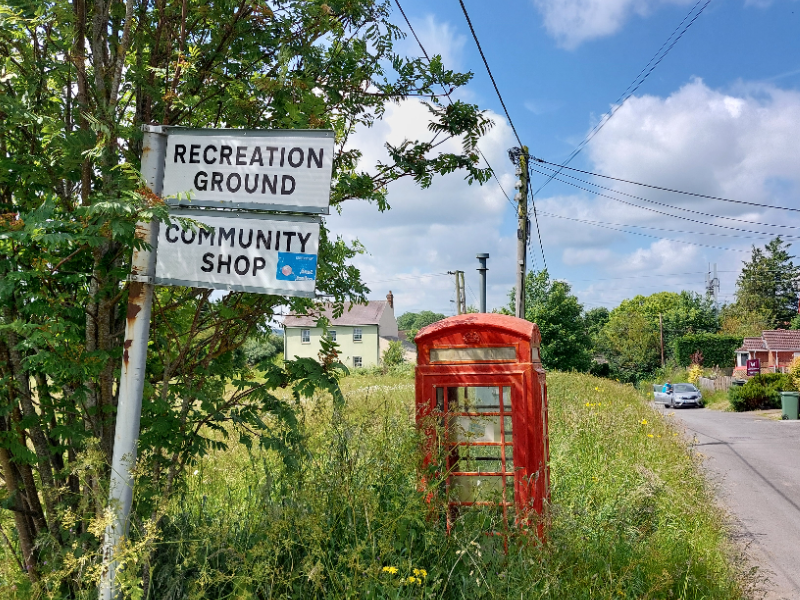
Our policy submission explores challenges and solutions relating to six Indices of Deprivation
“We have been disappointed by the current government’s policies which have resulted in a deterioration in the viability of rural community-owned businesses and risks of associated job losses, and to the quality of life in general in rural areas. Our submission to LRRG’s call for evidence demonstrates how Plunkett and its growing network of rural community-owned businesses can contribute to key Government priorities. We would welcome the opportunity to engage with further on proposals and support the development of more effective, rural-proofed policy solutions.”
James Alcock, Chief Executive, Plunkett UK
Policy suggestions
With the right support and investment, we believe we could grow the opening rate of rural community businesses from 30 to 60 a year over a period of 10 years. This would represent a total growth equivalent to: 1,075 rural community businesses trading in 2029 with a GVA equivalent of £567m or 1,350 rural community businesses trading in 2034 with a GVA equivalent of £713m.
This growth would be dependent on the following interventions:
- Maintain growth via FREE core advice and support services
- Accelerate growth via a Rural Community Ownership Fund
- Power up existing community businesses via Revenue Funding
- Ensure the Community Right to Buy regulations are strengthened
- Fairer taxation and appropriate rate relief
- Legislative reform to embed placemaking within new developments:
- Tailoring new Post Office Contracts to Partner with Community Business operators (see our proposals to the government’s green paper consultation on the future of the Post Office)
In conclusion
Rural deprivation cannot be addressed through urban policy models alone. Community ownership provides a place based, inclusive, and resilient response that tackles multiple deprivation domains simultaneously.
By embedding community-owned businesses within rural economic, social, and service strategies, government can deliver meaningful progress against the 2025 Indices of Deprivation and ensure rural communities are no longer left behind.
Plunkett UK stands ready to work with government to implement these solutions and support thriving, resilient rural places.